Reviewing the Mask Brush Embroidery Design
As an embroidery designer who has spent years digitizing patterns for small businesses, I approach every new machine embroidery design with a critical eye. It is not just about whether the image looks cute on a screen; it is about how that design translates to fabric, how it holds up in the wash, and most importantly, how it serves the brand identity of the client using it. Recently, I evaluated the Mask Brush Embroidery Design, a pattern categorized under Beauty and Embroidery, intended for skincare enthusiasts and self-care branding. Here is my professional assessment of its viability for commercial use.
First Impressions and Visual Personality
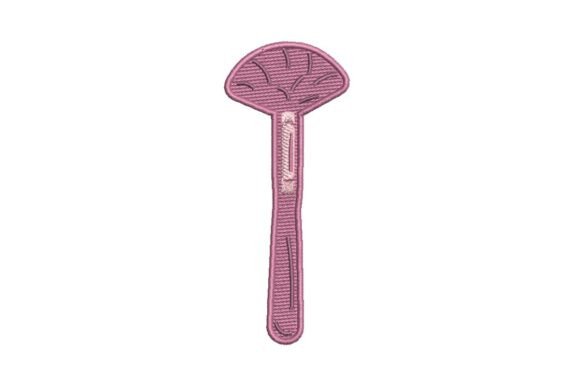
The initial visual impact of the Mask Brush Embroidery Design is one of gentle professionalism. Unlike aggressive or overly complex logos, this design exudes a sense of calm and cleanliness, which is essential for the beauty industry. The lines appear fluid, mimicking the soft bristles of a cosmetic tool, which suggests a handmade, artisanal quality rather than a cold, industrial feel. For boutique owners, spa managers, or creators of handmade skincare products, this aesthetic aligns perfectly with a brand promise of care and attention to detail.
The design feels modern yet classic, avoiding trendy elements that might date quickly. This longevity is crucial for small business merch where you want your branded assets to remain relevant for seasons. The simplicity of the brush motif allows it to be versatile, fitting seamlessly into a variety of color palettes without clashing. Whether your brand uses pastel tones for a soft appeal or stark black and white for a minimalist look, this design adapts well.
Real-World Applications for Small Businesses
When considering where to place this digital embroidery file, the options are extensive for those in the beauty and wellness sector. I recommend testing this design on several key items to maximize brand visibility.
- Staff Uniforms and Aprons: An apron embroidery featuring the mask brush adds a touch of elegance to spa uniforms or esthetician attire. It elevates the staff’s appearance from generic service workers to skilled professionals.
- Caps and Headwear: For outdoor events or casual brand ambassadors, cap embroidery is highly effective. However, placement is key. The curved surface of a cap requires careful digitizing to ensure the brush bristles do not distort.
- Tote Bags and Packaging: A tote bag design using this motif can serve as a walking advertisement. Customers carrying their purchases in a branded tote with this subtle, stylish icon reinforce the brand’s commitment to self-care.
- Embroidered Patches: Creating an embroidered patch allows for flexibility. You can sew these onto product packaging, gift bags, or even sell them as standalone accessories. Patches also allow you to pre-produce branding without committing to embroidering every single item immediately.
For Etsy sellers and crafters, this design can be integrated into custom apparel lines. Think of robes, headbands, or makeup bag organizers. The charm of the design lies in its ability to turn a functional item into a desirable lifestyle product.
Technical Considerations and Production Notes
While the aesthetic is strong, the technical execution determines the success of the finished product. As a designer, I always advise checking specific technical details before running a production batch. Since the product description does not provide exact stitch counts or file formats, you must verify these with the supplier.
Stitch density is a primary concern. If the density is too high, the fabric may pucker, especially on lighter materials like silk or thin cotton often used in beauty products. Conversely, if the density is too low, the design may look sparse and unprofessional. I recommend running a test stitch-out on the actual fabric you intend to use. Pay close attention to the thread colors chosen. High contrast is good for visibility, but for a beauty brand, subtle tonal variations often convey more sophistication.
Another critical factor is the hoop size. Ensure the design fits comfortably within your machine’s hoop without requiring excessive re-hooping, which can lead to alignment issues. For smaller applications, such as a chest logo on a shirt or a small patch, verify that the fine details of the brush bristles remain distinct. Tiny lettering or intricate outlines can merge together if the design is scaled down too far.
Fabric and Stabilizer Selection
The choice of stabilizer can make or break the look of the Mask Brush Embroidery Design. For stretchy fabrics like those used in athletic wear or soft robes, a cut-away stabilizer is often necessary to prevent distortion after washing. For woven fabrics like canvas totes or denim aprons, a tear-away might suffice, but always test first. The fabric texture also plays a role; highly textured materials may obscure the finer details of the brush strokes, so smoother fabrics are generally preferred for this type of detailed imagery.
Impact on Brand Identity and Customer Trust
In the competitive landscape of beauty and wellness, visual consistency is paramount. Using a cohesive design assets library helps build recognition. The Mask Brush Embroidery Design contributes to a narrative of self-care and professionalism. When customers see consistent branding on your commercial embroidery projects, from your staff’s aprons to the packaging of their purchase, it builds trust. It signals that you pay attention to details, which translates to perceived quality in your core products.
Furthermore, embroidered items have a tactile quality that printed graphics lack. This physical presence enhances the perceived value of the item. A customer is more likely to keep and use a high-quality embroidered tote or robe than a cheaply printed one, extending the lifespan of your brand exposure.
Practical Steps Before Commercial Use
Before integrating this design into your small business merch lineup, follow these practical steps:
- Test in Black and White: Remove color from the equation to check the clarity of the shape. If the design loses its definition without color, it may need adjustment.
- Check Scalability: Resize the design to its smallest intended use. Ensure the details remain visible and do not become a blob of thread.
- Review Licensing: Confirm the commercial licensing terms. Ensure you have the right to use the digital embroidery file for selling finished goods or branded merchandise.
- Create a Mockup: Use a printable mockup or digital simulation to show clients or stakeholders how the design will look on different items before committing to production.
- Compare with Existing Assets: Place the design next to your current logo and other branding elements. Ensure it complements rather than competes with your existing visual identity.
In conclusion, the Mask Brush Embroidery Design offers a charming and professional option for beauty-focused brands. With careful attention to technical details like stitch density, stabilizer choice, and fabric compatibility, it can become a valuable asset in your branding toolkit. By treating this design not just as decoration but as a strategic business tool, you can enhance your brand’s professionalism and connect more deeply with your customers through high-quality, tangible merchandise.