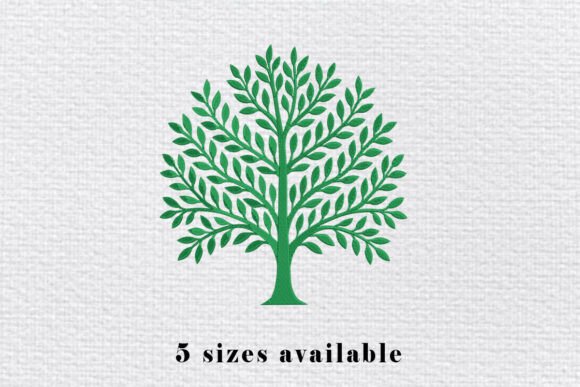
Reviewing Green Tree Embroidery Design for Craft Fairs
As an embroidery designer who has spent countless weekends standing behind booths at local markets, I have learned that not every machine embroidery design translates into a bestseller. When I first pulled up the Green Tree Embroidery Design on my screen, I was looking for more than just aesthetic appeal. I was evaluating its potential as a high-converting craft fair product. This digital file promises a timeless floral touch, but does it hold up under the scrutiny of a busy marketplace? Let us dive into a real-world review of how this pattern performs for handmade shop owners and Etsy sellers alike.
First Impressions and Market Fit
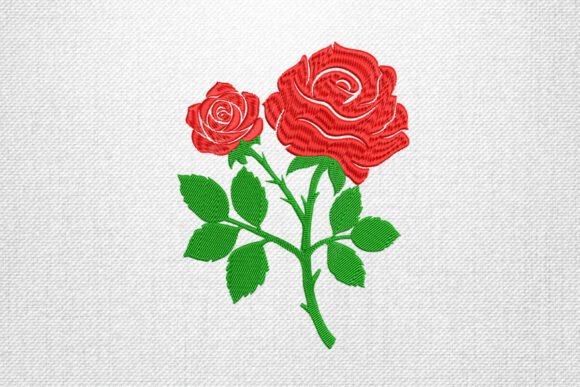
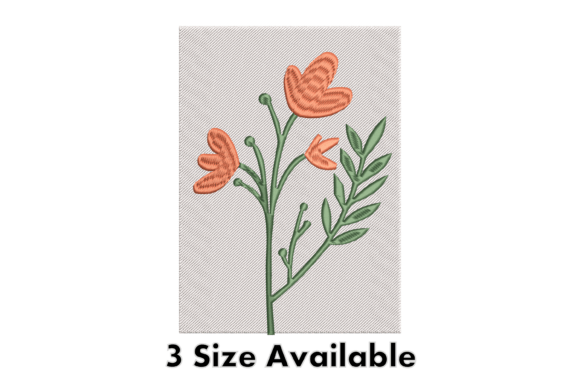
The initial visual impact of the Green Tree Embroidery Design is crucial. In a crowded booth, customers scan tables in seconds. This design, categorized under Single Flowers, offers an elegant simplicity that avoids the clutter often seen in overly complex patterns. It feels less like a loud statement piece and more like a sophisticated accent. For boutique makers, this elegance is a significant asset. It suggests a premium quality that appeals to buyers looking for refined handmade products rather than novelty items.
However, "green tree" implies a natural, perhaps rustic or botanical theme. If your brand leans toward modern minimalism or farmhouse chic, this embroidery file fits seamlessly. It does not scream for attention with neon colors or cartoonish shapes; instead, it invites closer inspection. This subtle allure is perfect for creating a cohesive brand identity where quality speaks louder than volume.
Product Application and Versatility
To truly test the viability of this design, I imagined staging a full table display. Where does the Green Tree Embroidery Design shine brightest? Here is how it performs across various popular items:
- Tote Bags: As a tote bag design, this pattern works exceptionally well when placed off-center or near the bottom corner. It transforms a plain canvas bag into a stylish accessory without overwhelming the fabric.
- Aprons and Kitchen Textiles: For apron embroidery and tea towel embroidery, the single flower motif adds a charming, domestic touch. It is small enough to not interfere with the utility of the item but distinct enough to be noticed.
- Embroidered Patches: Creating an embroidered patch allows you to sell the design as a standalone item. Customers love buying patches to customize their own jackets or bags, increasing your revenue per square inch of hoop space.
- Caps and Headwear: While possible, curved surfaces require careful digitizing. Ensure the design is not too wide, or it will distort on the front panel of a cap.
For Etsy sellers, this versatility means you can create multiple listings from one digital embroidery file. You can offer finished goods like pillow covers and market bags, or sell the design itself to other crafters. This dual approach maximizes the return on your design investment.
Production Practicality for Small Shops
Running a small shop product line requires efficiency. The Green Tree Embroidery Design appears to be optimized for batch production. Since it is a single element rather than a multi-hoop masterpiece, it reduces machine time and thread changes. This is vital for maintaining healthy profit margins at craft fairs where price sensitivity can be high.
Photography is another critical factor. This design photographs beautifully for online listings because its clean lines do not get lost in digital compression. When creating a printable mockup or staging real-life photos, the contrast between the green threads and neutral fabrics creates a visually appealing image that stops the scroll on social media.
Technical Considerations and Careful Use
While the design is promising, there are technical nuances every embroidery business owner must address. Before committing to a large run of commercial embroidery products, consider these factors:
- Stitch Density: Check the stitch density of the file. If the leaves are too dense, they may cause puckering on lightweight fabrics like cotton tea towels. Always use the appropriate stabilizer to support the stitch count.
- Fabric Texture: The fabric texture plays a huge role in the final look. On textured linen, the design may lose some fine detail. Test on smooth cotton or polished polyester blends for the crispest result.
- Thread Colors: Experiment with different thread colors. While green is implied, trying earthy tones or contrasting pastels can help the design stand out on dark fabrics. Avoid using dark threads on dark fabrics unless you want a subtle, tonal effect.
- Size Clarity: Ensure the design remains clear at smaller sizes. Tiny details can merge together if the design is scaled down too much for small pouches or baby items.
It is essential to note that specific technical details such as exact hoop size requirements, file formats, and license terms are not explicitly detailed in the brief description provided. Therefore, I strongly advise readers to check those details in the full product package before starting production. Confirming commercial licensing is non-negotiable for selling finished products.
Enhancing Brand Value and Customer Engagement
Ultimately, the Green Tree Embroidery Design is more than just a pattern; it is a tool for building brand value. When customers see consistent, high-quality embroidery on your design assets, they perceive your brand as professional and trustworthy. This design contributes to booth display strength by offering a cohesive visual theme that ties together disparate products like pillows, bags, and apparel.
Buyer engagement increases when the product feels personal and crafted with care. A well-executed single flower design suggests attention to detail. It invites the customer to touch the fabric and appreciate the craftsmanship. For creative entrepreneurs, this tactile experience is what converts browsers into buyers.
Final Designer Notes
Before you launch this design into your store, follow these practical steps:
- Test the design on scrap fabric identical to your final product material.
- Review spacing and alignment to ensure it sits correctly on garments like aprons.
- Create at least one real mockup to verify how the finished product looks in natural light.
- Compare fabric colors to find the combination that makes the green hues pop.
In conclusion, the Green Tree Embroidery Design is a strong contender for any embroidery designer’s portfolio. It balances aesthetic elegance with production efficiency, making it ideal for both physical craft fairs and digital marketplaces. By paying attention to technical details and leveraging its versatility, you can turn this simple floral motif into a staple of your handmade product lineup.