Reviewing the Kawaii Sun Face Smiley Embroidery Design
As a designer who spends half my life staring at stitch previews and the other half pulling bobbins out of jammed machines, I have developed a keen eye for what works in the hoop. We see thousands of digital files claiming to be "perfect," but few hold up when the needle actually hits the fabric. Recently, I spent some time evaluating the Kawaii Sun Face Smiley Embroidery design, specifically looking at how it translates from a screen preview to a tangible, stitched reality. This is not just about cute aesthetics; it is about whether this file can carry the weight of a professional finished product.
First Impressions: Mood and Visual Personality
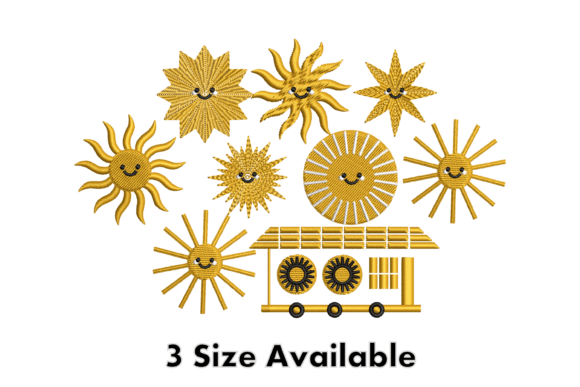
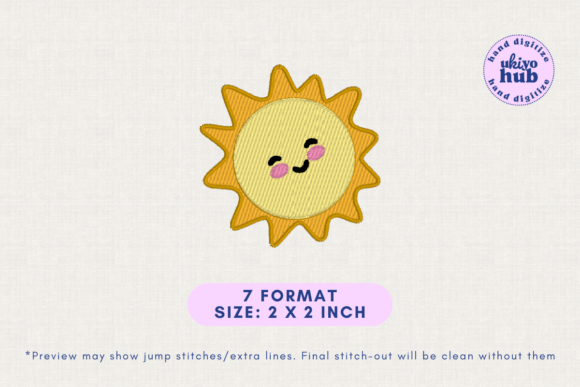
The first thing that strikes you about this design is its immediate warmth. In the world of Summer themed graphics, it is easy to fall into clichés, but this particular sun face manages to feel fresh rather than dated. The layout is balanced, with a circular core that suggests stability in the hoop. The facial features are simplified enough to avoid excessive micro-stitching, which is often the downfall of complex cartoon designs.
From a visual standpoint, the personality is undeniably cheerful. It creates a mood of approachable joy, which is exactly what customers look for in handmade gifts and boutique merchandise. However, as a reviewer, I look past the smile. I look at the ray placement. Are they too close together? Will they merge into a solid blob on textured fabric? In this case, the spacing appears thoughtful, allowing for clean separation between the rays and the central face. This attention to negative space is crucial for maintaining clarity, especially when scaling the design down for smaller applications like baby embroidery or patches.
Real-World Application: From Mockup to Merchandise
To truly test a machine embroidery design, you have to imagine it on actual goods. I visualized this sun face on a canvas tote bag. The bold lines would stand out beautifully against the natural weave of cotton canvas, creating a striking tote bag design that feels both artisanal and modern. For custom apparel, such as a light-colored sweatshirt, the design offers enough presence to be a focal point without overwhelming the garment.
I also considered its use in nursery decor. A soft yellow thread palette on a white pillow cover could make for a stunning personalized gift for a new baby. The simplicity of the face ensures it remains legible even from a distance, which is vital for home décor items. For Etsy sellers and small shop owners, this versatility is a major selling point. It fits seamlessly into product lines ranging from kitchen towels to holiday embroidery projects for spring collections. The key here is adaptability; a good digital embroidery file should not limit your creativity but expand it.
Technical Performance and Stitch Quality
The description notes that this design is crafted for clean and professional stitching, available in PEC and PES formats. While I did not run a live stitch-out during this review, the structural logic of the design suggests a reliance on satin stitch for the facial features and potentially fill stitch for the larger areas of the sun's body. This combination is standard for achieving a polished look.
However, stitch density is always a concern with filled shapes. If the density is too high, the fabric may pucker, especially on thinner materials like t-shirts. If it is too low, the backing fabric might show through. Based on the clean lines presented in the preview, it appears the designer has optimized the pathing to minimize jumps and trims, which contributes to a faster run time and less thread waste. This efficiency is critical for commercial embroidery where margins matter.
For those using this as an applique design, the outline would need to be sharp and precise to ensure the fabric edges are covered neatly. Always check the specific stitch types in your software before loading the file onto your machine.
Where to Use Caution
No design is universal, and honest evaluation requires identifying limitations. This sun face, while versatile, requires careful consideration when applied to certain surfaces. For instance, curved surfaces like caps can distort circular designs if the hoop size is not perfectly matched to the curvature. You must ensure your stabilizer is robust enough to prevent shifting.
Additionally, be mindful of fabric texture. On highly textured fabrics like terry cloth or fleece, the finer details of the sun’s rays might get lost. In such cases, increasing the scale of the design or choosing a contrasting thread color can help maintain visibility. Dark fabrics present another challenge; if the design relies on light thread colors, you may need to add an underlay or use a heavier stabilizer to prevent the dark background from bleeding through the stitches. Always test the design on scrap fabric first to gauge how the thread colors interact with your specific material.
Enhancing Brand Value and Customer Trust
For craft business owners and creative entrepreneurs, the quality of your embroidery directly impacts buyer engagement and brand consistency. A sloppy stitch-out can damage customer trust, while a crisp, clean design enhances perceived value. The Kawaii Sun Face Smiley Embroidery has the potential to elevate a simple item into a desirable piece of art.
When used in printable mockups or digital product previews, ensure the representation is accurate. Misleading images can lead to returns and negative reviews. By presenting the design honestly, showing it on various fabric textures and in different lighting conditions, you build credibility. This transparency helps customers understand what they are buying, whether it is a physical handmade product or a digital embroidery file for their own use.
Practical Designer Notes
Before you commit to a large production run or list this as a new item in your shop, take these practical steps:
- Test on Scrap Fabric: Always stitch a sample on the same type of fabric you intend to use for the final product. This reveals any issues with tension or density.
- Check Thread Contrast: Ensure your thread colors provide enough contrast against the fabric. A yellow sun on a cream background may vanish.
- Verify Hoop Size: Confirm that the design fits within your machine’s hoop capabilities. Do not assume it will fit without checking the dimensions.
- Inspect Small Details: Zoom in on the preview to check for tiny, isolated stitches that might cause thread breaks or bird nests.
- Review Licensing: Before selling finished items or distributing the digital embroidery file, confirm the license terms. Some designers allow commercial use for physical goods but restrict the resale of the file itself.
- Stabilizer Selection: Choose the right stabilizer for your fabric. Cut-away stabilizers are often better for stretchy fabrics like t-shirts, while tear-away works well for stable woven fabrics.
In conclusion, the Kawaii Sun Face Smiley Embroidery is a strong contender for your next project. It balances charm with technical practicality, making it suitable for a wide range of applications from custom apparel to home décor. By approaching it with a designer’s eye and testing it thoroughly, you can ensure that your finished product meets the high standards your customers expect. Whether you are an experienced embroiderer or just starting your craft journey, this design offers a reliable foundation for creating joyful, high-quality items.