Rose Iris Embroidery Design Review for Apparel
As an embroidery designer who has spent years curating collections for boutique apparel, I am always on the lookout for digital files that balance elegance with technical reliability. When I first encountered the Rose Iris Embroidery Design on Creative Fabrica, my immediate interest was piqued by its potential for high-end sweatshirt and hoodie projects. In the world of custom apparel, finding a motif that feels both timeless and fresh is rare. This piece, categorized under Single Flowers, promises to add a sophisticated floral touch to garments, but does it hold up under the scrutiny of professional production? Here is my detailed review from the perspective of a designer preparing a new seasonal collection.
Visual Personality and Stitching Mood
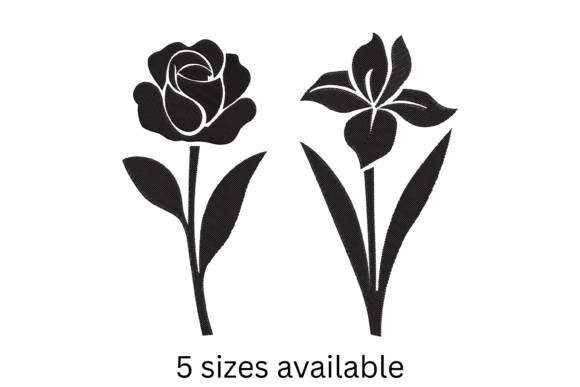
The first impression of the Rose Iris Embroidery Design is one of refined femininity. Unlike bold, cartoonish graphics often found in mass-market streetwear, this design carries a classic, almost painterly quality. The interplay between the rose and iris elements suggests a garden-inspired aesthetic that appeals to customers looking for subtle luxury. For a boutique brand, visual consistency is key. This design does not scream for attention; rather, it invites closer inspection. The stitching mood feels premium and delicate, making it an excellent candidate for brands that prioritize quality over quantity.
When evaluating the detail level, I look for how well the design translates from screen to fabric. The decorative strength here lies in its ability to remain legible even at smaller sizes. Whether you are aiming for a minimal look on a t-shirt or a more prominent statement on a denim jacket, the design maintains its integrity. It feels trendy yet rustic enough to fit into various aesthetic niches, from cottagecore to modern minimalist.
Performance on Sweatshirts and Hoodies
My primary test case for this file was a small capsule collection of neutral sweatshirts and pastel hoodies. Sweatshirt embroidery requires careful consideration of fabric texture and stretch. Fleece and French terry can be challenging due to their pile and elasticity. The Rose Iris Embroidery Design performs admirably in this context, provided you use the correct stabilizer. On a heavy-weight hoodie, the design sits beautifully on the chest without sinking into the fabric, offering a clean, professional finish.
For sleeve accents, this single flower motif is perfectly sized. It adds a unique detail that distinguishes a basic garment from a custom piece. I also experimented with back designs on oversized garments. While the design is elegant, I would recommend scaling it up slightly for full-back placement to ensure the details do not get lost from a distance. On dark apparel, such as charcoal or navy hoodies, the contrast becomes crucial. Using lighter thread colors can make the floral pattern pop, creating a striking visual against the deep background.
Versatility Across Product Lines
Beyond sweatshirts, this machine embroidery design shows great versatility. For t-shirt embroidery, the key is managing stitch density to prevent puckering on thinner knits. If the file allows for adjustment, reducing the density slightly can help maintain the soft hand feel of the shirt. For tote bag design projects, the robust nature of canvas fabric supports the stitching well, allowing the intricate details of the rose and iris to shine without distortion.
For Etsy sellers and small shop owners, lifestyle product photos are essential for conversion. This design photographs exceptionally well because of its organic shapes. It creates natural shadows and highlights that add depth to printable mockups and social media graphics. When used in commercial embroidery products, it enhances the perceived value of the finished product. Customers often associate detailed floral work with higher price points, which can positively impact your profit margins.
Strategic Placement and Fabric Considerations
While the design is versatile, there are areas where caution is needed. Small chest placement is ideal, but you must ensure the hoop size accommodates the garment’s curvature. Embroidering on ribbed fabric, such as cuffs or collars, is generally not recommended for this type of detailed floral work unless you have significant experience with specialized techniques. The stretch can distort the petals, ruining the elegant look.
Dense stitch areas should be monitored closely. If the design has high stitch count regions, test on scrap fabric first to ensure the needle does not perforate the material excessively. This is particularly important for delicate fabrics or lightweight summer tops. Always check the fabric texture before hooping. Smooth surfaces yield the best results, while textured fabrics like bouclé may require a different approach or backing material to keep the stitches uniform.
Enhancing Brand Identity and Buyer Trust
Incorporating the Rose Iris Embroidery Design into your lineup can significantly affect your brand identity. Consistent use of high-quality, cohesive designs builds buyer trust. When customers see precise, well-executed embroidery, they associate your handmade product with professionalism. This visual consistency helps in product recognition, making your items stand out in a crowded marketplace. For creative entrepreneurs, this means less time explaining quality and more time focusing on marketing and growth.
Customer engagement often increases when products feature unique, artistic elements. A simple sweatshirt becomes a conversation piece with the addition of this floral motif. It encourages shares on social media, as users love to showcase distinctive details. This organic promotion is invaluable for small clothing brands trying to build a community around their aesthetic.
Practical Designer Notes for Production
Before running a full production batch, always follow these practical steps. First, test on scrap fabric that matches your garment material as closely as possible. This allows you to check thread color contrast and adjust tension if necessary. Second, review your stabilizer choice. For fleece, a cut-away stabilizer is often best to provide long-term support, while tear-away might suffice for woven totes.
Confirm the hoop size required for the design to ensure it fits your machine and garment constraints. Inspect the stitch density in your software if possible, and make adjustments to suit the specific fabric weight. Finally, always check the Creative Fabrica product details and licensing terms. Ensure that the license covers commercial use for finished apparel if you plan to sell the items. Do not assume file formats or machine compatibility; verify these details in the product description to avoid technical issues during production.
In conclusion, the Rose Iris Embroidery Design is a strong contender for any designer looking to elevate their boutique apparel line. Its blend of classic beauty and technical adaptability makes it a reliable choice for sweatshirts, hoodies, and accessories. By paying attention to placement, stabilizer choice, and fabric compatibility, you can create stunning, high-value pieces that resonate with your audience.