Review: Halloween Spooky Bear Embroidery Design
As a designer who spends more time staring at stitch maps than actual fabric, I have learned to be skeptical of seasonal motifs. Holiday designs often fall into two traps: they are either too generic to stand out in a crowded market or so complex that they become a nightmare to stitch on textured materials. When I first loaded the Halloween Spooky Bear Embroidery Design into my digitizing software, I was looking for that sweet spot between whimsical charm and technical reliability. What I found was a versatile asset that holds up well under scrutiny, provided you understand its limitations and strengths.
First Impressions and Visual Personality
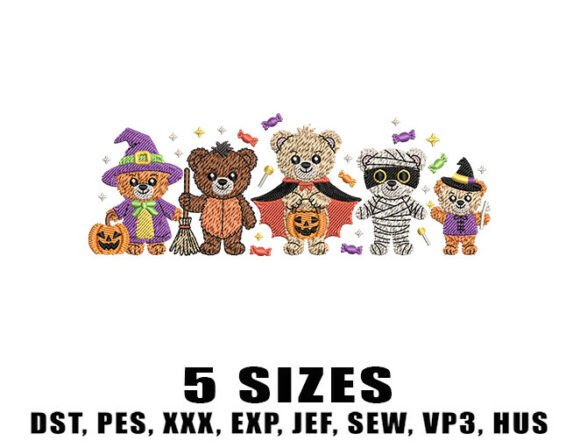
The immediate appeal of this design lies in its balance. The teddy bear motif is inherently soft and approachable, which creates an interesting contrast when paired with Halloween elements. This juxtaposition is crucial for modern craft businesses. Customers are moving away from genuinely terrifying imagery for children’s items, preferring "spooky cute" aesthetics that feel festive rather than frightening. The layout of the bear in costume suggests a playful narrative, making it ideal for projects where personality is key.
From a technical standpoint, the shapes appear clean. In machine embroidery, clarity is everything. If the lines are too close together or the details are too fine, the thread will merge, creating a blob of color rather than a recognizable image. This design seems to respect the physical properties of thread, using distinct shapes that should remain legible even after washing. The mood it creates is warm and inviting, perfect for bridging the gap between autumn decor and winter holidays.
Real-World Application: The Tote Bag Test
To truly evaluate a digital embroidery file, you must imagine it on a physical product. I recently worked on a custom order for a local boutique needing unique trick-or-treat bags. The client wanted something durable yet festive. I selected a heavy canvas tote, which presents specific challenges due to its weave and thickness. This is where the Halloween Spooky Bear Embroidery Design proved its worth.
Because the design features bold outlines and clear costume details, it translated beautifully onto the textured canvas. A more intricate design might have gotten lost in the fabric grain, but the bear remained crisp. For Etsy sellers and small shop owners, this reliability is vital. You do not want to spend hours hooping and stitching only to realize the details have puckered or disappeared. This design fits naturally into the category of high-perceived-value items because it looks intentional and professional, not like a rushed afterthought.
Versatility Across Product Lines
Beyond tote bags, this design shines in several other areas of custom apparel and home décor. Consider sweatshirt embroidery. The chest area of a hoodie provides a stable, flat surface that allows the fill stitches to lay smoothly. The playful nature of the bear makes it a strong seller for kids’ outfits, appealing to parents who want festive photos without the hassle of uncomfortable costumes.
It also works exceptionally well for baby embroidery. Soft onesies or burp cloths benefit from designs that are not overly dense. While I always recommend checking the specific stitch density in your software, the visual openness of this bear suggests it will not stiffen delicate fabrics excessively. For home décor, think pillow covers or kitchen towels. A single bear centered on a tea towel creates a charming holiday accent that customers can use year after year, increasing the longevity and value of your handmade product.
Technical Considerations and Fabric Choices
While the design is robust, it is not immune to poor execution. As an experienced reviewer, I must highlight where caution is needed. First, consider the hoop size. The product description notes five sizes, with the smallest being 3.8 inches. This is a critical detail. If you are working on a curved surface like a cap, ensure you have the appropriate attachment and stabilizer. Caps are unforgiving; if the design is too wide or the stitch count too high, the front panel will warp.
Fabric texture plays a massive role here. On thin or stretchy fabrics, such as jersey knits for t-shirts, you must use a cut-away stabilizer to prevent distortion. The bear’s costume details likely utilize a mix of satin stitch and fill stitch. Satin stitches are beautiful but can pull on loose weaves. Always test the design on scrap fabric first. Check how the thread colors interact with your base material. A dark thread on a dark fabric will vanish, while high-contrast choices will make the design pop.
Another area to watch is washability. Items like aprons and tote bags undergo frequent laundering. Ensure your thread quality matches the durability of the item. Polyester thread is generally recommended for commercial embroidery projects due to its strength and colorfastness. If you are selling these as finished products, your reputation depends on the item lasting through multiple wash cycles without fraying or fading.
Enhancing Brand Value and Customer Trust
For creative entrepreneurs, every design asset contributes to brand consistency. Using a cohesive style across your product line helps build recognition. The Halloween Spooky Bear Embroidery Design offers a consistent aesthetic that can be applied to various items, from patches to blankets. This consistency signals professionalism to buyers. When a customer sees a well-executed, clear design on a sweatshirt, they trust the quality of the entire shop.
Moreover, this design supports effective marketing. It is easy to create printable mockups or digital previews because the shape is distinct. You can visualize it on different backgrounds quickly, which saves time when listing items on platforms like Etsy. High-quality visual assets drive buyer engagement, and a clean embroidery design is the foundation of those visuals.
Practical Designer Notes
Before you commit to production, take these steps to ensure success:
- Check Stitch Density: Open the file in your editing software. Look for areas where stitches overlap excessively. If necessary, reduce density to prevent puckering on lighter fabrics.
- Test Color Contrast: Do not assume standard orange and black will work best. Try unexpected combinations, like pastel bears for a softer look, or metallic threads for a premium feel.
- Verify Licensing: Always confirm the license terms before selling finished items. Most commercial embroidery files allow for physical sales, but restrictions may apply to digital redistribution. Protect your business by knowing the rules.
- Stabilizer Selection: Match your stabilizer to your fabric. Use tear-away for stable wovens and cut-away for knits. This simple step prevents most common embroidery failures.
- Mockup Testing: View the design in black and white. If the details disappear in grayscale, they may get lost in low-light photos or on busy fabric patterns.
In conclusion, the Halloween Spooky Bear Embroidery Design is a solid addition to any designer’s library. It balances thematic relevance with technical practicality. For those looking to expand their holiday offerings without sacrificing quality, this design offers a reliable path to creating memorable, sellable products. Whether you are crafting personalized gifts or stocking your small shop, this bear delivers the spooky charm customers crave with the professional finish they expect.