Review: Floral Lace Bow Embroidery Design for Makers
As a designer who has spent countless hours digitizing and stitching out thousands of patterns, I approach every new machine embroidery design with a critical eye. It is not enough for a file to look pretty on a screen; it must perform under the needle. Recently, I evaluated the Floral Lace Bow Embroidery Design, and I want to share my practical insights on how this motif holds up in real-world production environments.
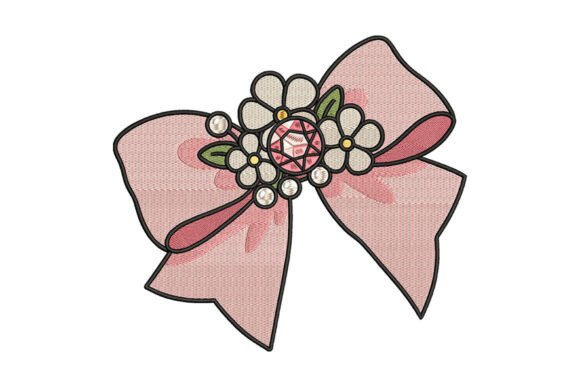
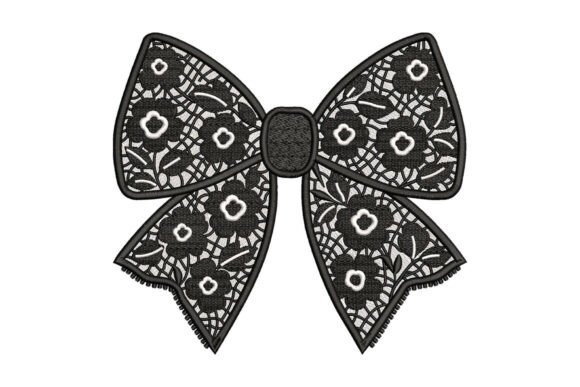
The first impression of this design is one of refined elegance. Unlike bold, cartoonish motifs that dominate casual streetwear, this piece leans into a delicate, vintage-inspired aesthetic. The layout features a central bow structure intertwined with intricate floral elements and leaves. For those of us in the craft business, recognizing the visual personality of a design is crucial. This particular motif screams "boutique quality." It does not feel like a generic clipart conversion but rather a thoughtful composition intended to add charm to high-value items.
Real-World Application: The Tote Bag Test
To truly understand the viability of any embroidery file, you must visualize it on a finished product. I imagined using this design for a custom canvas tote bag project for a local boutique client. The goal was to create a sophisticated accessory that could transition from a grocery run to a casual brunch.
When placed on a natural cotton canvas, the delicate lines of the lace bow stood out beautifully against the textured fabric. The interplay between the smooth satin stitches of the bow and the finer details of the flowers created a tactile contrast that customers love. In this context, the design served as a perfect focal point without overwhelming the bag’s utility. It elevated a simple handmade product into something that felt curated and expensive.
However, placement is everything. On a larger item like a tote or a pillow cover, this design works best when centered or offset slightly to the corner for a subtle accent. If you are an Etsy seller looking to expand your design assets, this motif fits seamlessly into categories like wedding gifts, bridal shower favors, or spring-themed home decor.
Stitching Performance and Technical Considerations
Let’s talk about the technical side. While the description highlights intricate details, intricate often means dense. When working with a design that features lace-like elements, you must pay close attention to stitch density. If the digitizer has packed too many stitches into a small area, you risk thread breaks or fabric puckering, especially on lighter materials.
I recommend testing this design on scrap fabric before committing to your final piece. Pay particular attention to the transition areas where the flowers meet the bow. These are the spots where satins stitch meets fill or running stitches. A well-digitized file will have clean jump stitches and proper underlay to support the top stitching. If you notice pulling or distortion during your test run, you may need to adjust your tension or switch to a heavier stabilizer.
For those using this on stretchy fabrics, such as a sweatshirt embroidery project or baby clothes, stabilization is non-negotiable. The delicate nature of the lace bow means that any distortion in the fabric will be immediately visible in the stitched outcome. Use a cut-away stabilizer for garments that will be washed frequently to ensure the design retains its shape over time.
Fabric and Color Pairing Strategies
The versatility of the Floral Lace Bow Embroidery Design lies in its adaptability to different thread colors. On dark fabrics, such as navy or charcoal, using metallic or light pastel threads can make the lace effect pop, creating a striking contrast. Conversely, on white or cream linen, using tonal threads—such as ivory on off-white—creates a subtle, embossed look that feels incredibly luxurious.
Be cautious with highly textured fabrics like thick wool or terry cloth. The fine details of the leaves and petals might get lost in the pile. In such cases, consider using this design on smoother surfaces like denim, poplin, or polished cotton. If you are creating an embroidered patch, use a stiff backing to ensure the intricate edges remain crisp and do not fray during cutting.
For holiday embroidery projects, this design can be easily adapted. Swap traditional greens and reds for silver and gold threads for a winter wedding gift, or use soft pinks and lavenders for a baby shower. The timeless shape allows it to transcend seasonal trends, making it a reliable asset for your small shop product lineup year-round.
Commercial Viability and Brand Consistency
For commercial embroiderers and digital product sellers, consistency is key. This design offers a cohesive look that can help build brand recognition. Whether you are selling custom apparel or personalized home goods, using a signature motif like this floral bow can become part of your visual identity. Customers begin to associate that specific elegant style with your brand, fostering trust and repeat business.
When creating printable mockups for your online store, ensure that the digital representation matches the stitched reality. Over-saturating colors in Photoshop can lead to customer disappointment if the physical finished product looks duller. Always photograph your actual stitched samples to show the true texture and sheen of the threads.
Practical Designer Notes
Before you launch this design into your production workflow, keep these practical tips in mind:
- Check the License: Always confirm whether the digital embroidery file allows for commercial use. Some designers restrict the number of physical items you can sell, while others offer unlimited commercial rights. Never assume.
- Hoop Size Compatibility: Verify that the design fits within your machine’s hoop size. While this is likely a medium-sized motif, always check the dimensions to avoid last-minute resizing, which can distort stitch density.
- Contrast Testing: Stitch the design in black and white first. This helps you evaluate the clarity of the details without the distraction of color. If the lace elements disappear in monochrome, they may be too fine for certain fabrics.
- Needle Selection: Use a sharp needle for woven fabrics and a ballpoint for knits. A fresh needle ensures clean penetration, which is vital for the intricate turns in the floral leaves.
In conclusion, the Floral Lace Bow Embroidery Design is a strong contender for makers who value elegance and detail. It requires careful handling regarding stabilization and fabric choice, but when executed correctly, it adds significant perceived value to any Accessories or apparel item. It is not just a pattern; it is a tool for elevating your craft. Whether you are a hobbyist making gifts or a professional running a busy shop, this design deserves a spot in your library, provided you respect its technical requirements.
Remember, great Embroidery is about the marriage of art and engineering. Take the time to test, adjust, and refine, and this floral bow will serve your creative projects well.